

Click here for old digital copies of Black Panther News Paper
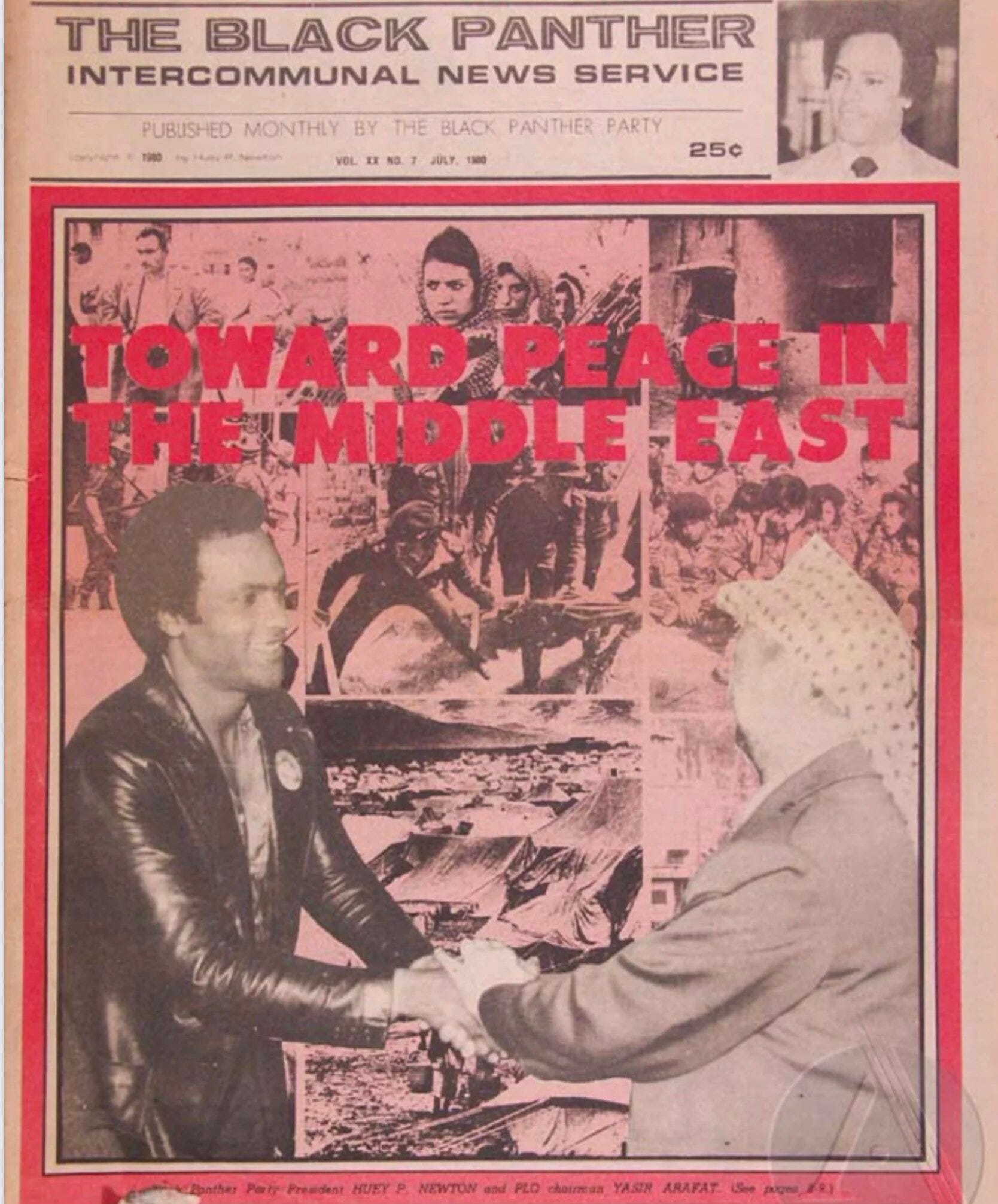
I have a 1970 issue of The Black Panther sitting right in front of me. Cost a quarter. On the front, the headline screams about imperialism. On the back, there’s an announcement about a free food rally. To the untrained eye, these look like two separate concerns—one global, one local. The Panthers understood something that many of us on social media today seem to have forgotten. You cannot fight the local battle if you ignore the global war.
Public education faces systematic defunding. Black history gets legislated out of existence. Some of us engage in activism by posting infographics to stories that disappear in 24 hours. We need to sit with that 1970 newspaper for a minute. We need to ask ourselves what they knew that we’ve forgotten.
The Internationalism of the Neighborhood
Eldridge Cleaver sat for an interview in Algiers in December 1969. He didn’t limit his critique to Oakland. He didn’t restrict his analysis to police brutality in America. He looked at Palestine. He looked at Israel. He looked at the global structure of imperialism and saw the connecting tissue. “Israel is the creature of American imperialism,” Cleaver stated. “It is a police post in the Middle East to safeguard and protect the interests of U.S. imperialism.”
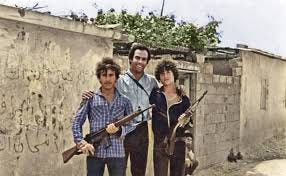
Some people might ask why the Black Panthers worried about the Middle East. The answer is simple. The same system that sends police to beat Black heads in Chicago sends military aid to Israel. The same imperial logic that colonized Africa requires a domestic police force to manage the “internal colony” of Black America. Panther minister of education Raymond “Masai” Hewitt explained they weren’t interested in rigid ideological lines. They were interested in anyone fighting oppression. “We dig what they are doing,” he said of Third World revolutionaries.
This was not abstract solidarity. This was strategic analysis. The Panthers understood that the CIA and FBI don’t just share intelligence. They share tactics. A lawman sent to perfect policing skills in Israel or Vietnam brings those skills back to American streets. The baton that cracks a skull in Memphis often uses techniques designed from occupations abroad.
Click here for old digital copies of Black Panther News Paper
We Charge Genocide: The International Court of Public Opinion
The Panthers’ internationalism wasn’t just rhetorical. They took action. They understood that if the domestic courts were compromised, you appeal to the world. William Patterson submitted a petition to the United Nations in 1951 titled We Charge Genocide. He charged the U.S. government with violating the Genocide Convention through police violence and systemic neglect. The Panthers picked up that baton.
Huey P. Newton and Bobby Seale explicitly petitioned the UN by 1973. They argued that “the savage police activities, based upon official policies of Federal, State and City governments” constituted genocide under international law. They demanded reparations. They demanded sanctions. They demanded that the world treat the situation of Black America not as a domestic issue of civil rights, but as an international issue of human rights.
This move embodies the “think globally, act locally” slogan. You act locally—you feed the children, you patrol the police, you organize the community. You think globally. You understand that your local struggle connects to Palestine, to Vietnam, to South Africa. You force the world to bear witness.
Survival Pending Revolution
The part that often gets left out of history books and Twitter threads involves feeding local children while fighting global imperialism.
The Free Breakfast for Children Program began in January 1969 at St. Augustine’s Episcopal Church in West Oakland. Within a year, the Panthers were feeding 20,000 children across the country. They weren’t waiting for the revolution to start feeding people. They understood that hungry children can’t learn. Uneducated communities can’t organize.
A top government official was forced to admit that the Panthers were feeding more kids than the federal government. Think about that. A self-described revolutionary organization outperformed the federal government at providing basic social services. They ran medical clinics. They tested for sickle cell anemia. They provided free busing to prisons so families could maintain contact with incarcerated loved ones.
This contradiction the FBI couldn’t handle. Infiltrating a group of people with guns proves easier than repressing a group of people with breakfast programs. Yet they tried anyway.
COINTELPRO: The Fear of Connection
The FBI’s COINTELPRO program didn’t target the Panthers because they were violent. They targeted the Panthers because they were effective. Between 1968 and 1971, the FBI engaged in a systematic campaign of counterintelligence to “neutralize” the Black Panther Party. They used infiltration, psychological warfare, and outright murder.
The Panthers were connecting dots. They linked local police brutality to global imperialism. They linked conditions in Oakland to conditions in Algiers. They built coalitions across racial and national lines. The FBI understood something that many activists today forget. A connected movement is a dangerous movement.
The Church Committee investigations later revealed the full scope of this repression. The damage was done by the mid-1970s. The Panthers had been decimated. Not before they built an international section in Algeria. Not before they made alliances with North Korea and China. Not before they inspired support groups in Britain, Germany, Sweden, Japan, and Israel.
Click here for old digital copies of Black Panther News Paper
The Takeaway for Today
Here we are in 2026. Public education faces attack. Medicaid and Medicare get gutted. Black history gets erased from curricula. What are we doing?
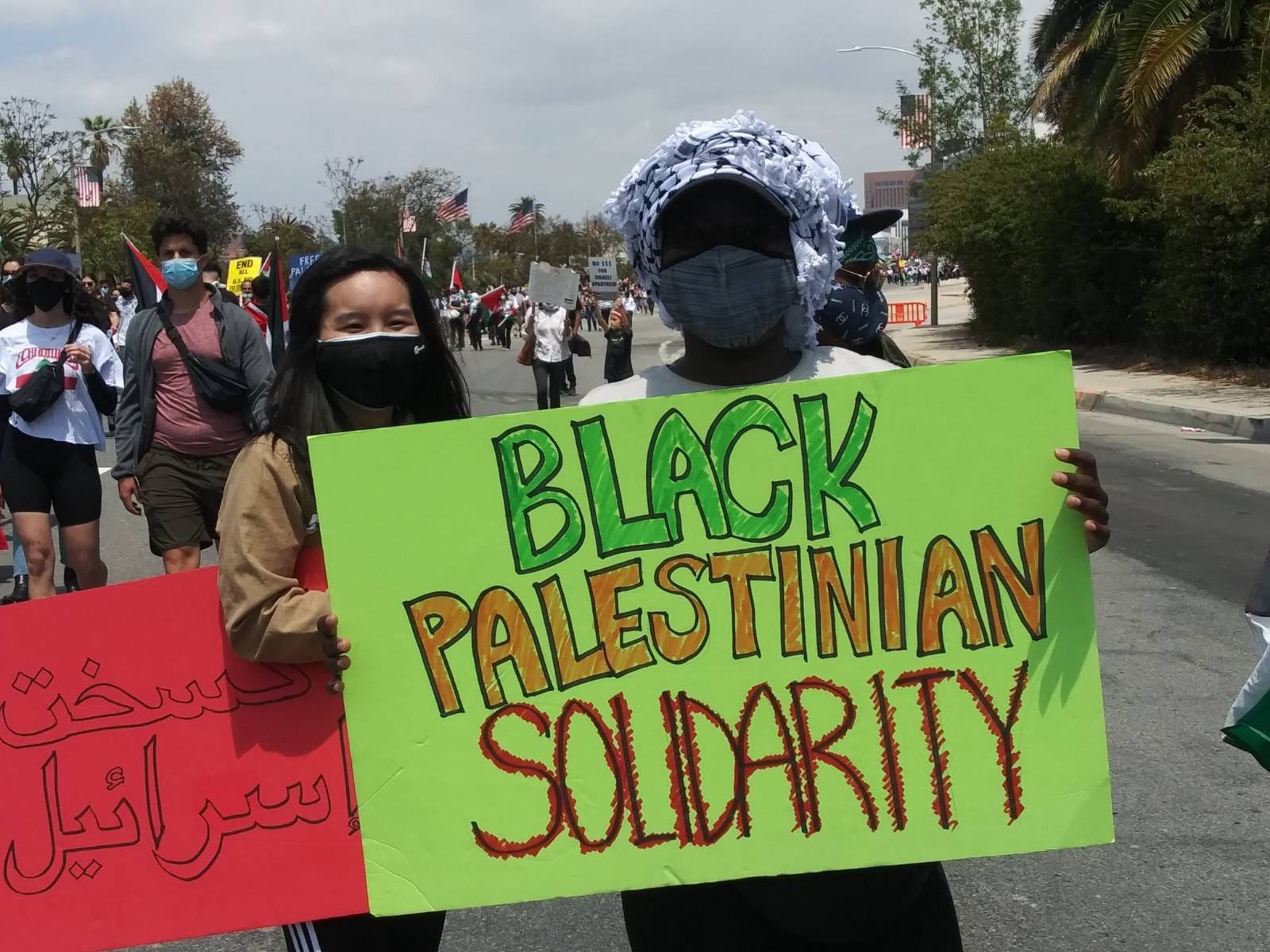
Some of us pontificate on the internet trying to get likes and views. Some of us accuse people doing actual work of performing for clout. The indictment hits close to home for many. We post about Palestine. We post about police brutality. We post about the school-to-prison pipeline. Are we feeding anyone? Are we organizing? Are we building institutions that can survive the next election cycle?
The Panthers ran the Free Breakfast Program for children, not for clout. They sold newspapers for 25 cents to fund their operations, not to build a personal brand. They took their case to the United Nations because they understood that justice requires witnesses, not just likes.
I was doing this work before social media existed the way it exists now. I was doing this work before people knew my name. I was doing this work before anyone called me anything. The reason I do this connects to those years before the platform. If people stopped following me tomorrow, guess what I would be doing? The same work. This work right here.
LINK OF OLD BLACK PANTHER NEWSPAPERS
Key Takeaways
Think globally, act locally is a strategy, not a slogan. The Panthers connected U.S. police brutality to international imperialism. You cannot fight local oppression without understanding its global context.
Survival programs are revolutionary. Feeding children, providing healthcare, and supporting families are not distractions from the movement. They are the movement. “Survival pending revolution” means keeping people alive long enough to win.
International solidarity is strategic, not symbolic. The Panthers allied with Palestine, North Korea, China, and liberation movements worldwide because they understood that imperialism is a global system requiring a global response.
Repression targets connection. COINTELPRO succeeded not just because it used violence, but because it severed the connections between people and between issues. Movements become dangerous when they connect the dots.
Local work precedes online presence. Many of us did the work before social media existed. The work remains primary. The content comes secondary.
Become a Paid Subscriber
Research Over MeSearch is a project dedicated to cutting through the noise with rigorous analysis on the education, politics, and news that shape our world. I provide the context and clarity you need in an era of overwhelming misinformation and under-reported crises.
The stark reality demands attention. Black men represent only 1.5% of all public school teachers in America. Public education for Black students faces systematic defunding and politicized attacks. My content exists to dissect these urgent issues, moving beyond surface-level takes to deliver the researched truth.
All my core content remains and always will remain free. No paywall exists. Whether you subscribe for free or choose to support financially, you will access every essential newsletter.
Consider upgrading to a paid subscription if two things hold true. First, it must fall within your means. Second, you must believe in investing in a platform that centers evidence over echo chambers, challenges the defunding of Black education, and advocates for a more just and informed public square.
People power this work, not corporations. Your support provides the engine.
The truth we face cannot be ignored. The landscape of education has become a battleground. The eradication of Black history curricula continues. The diversion of public funds accelerates. The foundation of equitable opportunity faces direct threat. Research Over MeSearch dives deep into the data, history, and policies behind these trends—topics too often sidelined by mainstream media. Drawing on my experience as an educator and researcher, I connect the dots between policy, politics, and the classroom to arm you with knowledge.
This mission cannot happen alone. Your support enables us to expand this crucial work.
Thank you for trusting and subscribing to Research Over MeSearch.


